

Why Dental Retainers Matter Long After Your Braces Come Off
Finishing orthodontic treatment is a big moment. After months (or years) of braces or aligners, you finally get to enjoy your new smile. But although the active treatment is over, the journey isn’t quite finished.
The next phase—retention—is what keeps that smile looking great for life.
Retainers are the unsung heroes of orthodontics. They make sure your teeth stay exactly where all that time, care and investment put them.
What exactly is a dental retainer?
A retainer is an appliance that holds your teeth in their new, corrected positions while the surrounding gum, bone and ligaments stabilise.
There are a few types:
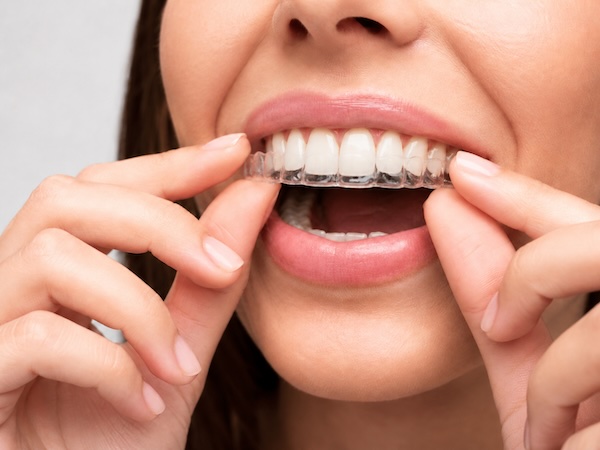
- Removable retainers – usually clear, Essix-style trays that fit over your teeth.
- Fixed retainers – thin wires bonded behind the front teeth so they stay in place around the clock.
- Combination retention – often used for people at higher risk of relapse.
Your dentist or orthodontist will choose the best option based on your bite, tooth movement and lifestyle.
Why do teeth move even after braces or aligners?
Teeth don’t sit rigidly in bone; they’re supported by soft tissues that constantly adapt. After orthodontic treatment, these tissues need time to “reset.”
Without retainers, teeth may gradually drift back—this is called orthodontic relapse.
Relapse can happen because of:
- Natural ageing
- Pressure from the lips, cheeks or tongue
- Grinding/clenching
- Shifts in gum or bone health
- Wisdom teeth pressure
- Inconsistent retainer wear
Even people who’ve never had orthodontic treatment notice crowding over time, especially in the lower front teeth.
Retainers protect your new smile
You’ve put time, energy and money into straightening your teeth. Retainers are what keep all that effort from slipping away.
Wearing them as advised helps:
- Keep your teeth straight
- Stabilise your bite
- Prevent gaps or crowding from returning
- Lower the chance of needing treatment again
- Maintain your smile longterm
Think of retainers as the maintenance plan after the makeover.
How long will you need to wear your retainer?
For most people: retainers are a longterm commitment.
Teeth can move throughout life, so even years after finishing orthodontics, nighttime retainer wear is often recommended.
A common schedule looks like this:
- Immediately after treatment: full-time or near full-time wear
- After the first few months: transition to night-only wear
- Long-term: nightly or regular wear indefinitely
Everyone’s case is different, so follow your clinician’s guidance.
What if you stop wearing your retainer?
Teeth rarely move suddenly—they shift gradually. The first sign is often your retainer feeling tighter than usual.
You might notice:
- Tightness when inserting the retainer
- Small gaps reappearing
- Crookedness creeping back into the front teeth
- Bite changes
- The retainer no longer seating fully
If your retainer doesn’t fit comfortably, don’t force it. Contact your dentist. You may need a new retainer, or in some cases, minor orthodontic correction.
Fixed vs removable retainers
Fixed retainers
Bonded wires placed behind the front teeth.
Pros:
- Work 24/7
- Invisible in daily life
- Ideal for people prone to relapse
Cons:
- Can cause plaque accumulation resulting in localised gum disease
- Can break or loosen
- Can become “active” and cause unwanted tooth movement
- Still requires the use of the removable retainer to be worn at nighttime
Removable retainers
Clear plastic trays worn over the teeth.
Pros:
- Easy to clean
- Can act as a night guard against mild grinding
- Support the entire arch
- Simple to replace
Cons:
- Only work when worn
- Can be lost or damaged
- Can feel tight if skipped for a few nights
Many patients benefit from having both for maximum stability.
However we tend to suggest the use of the removable retainer for the vast majority of patients, unless they feel their teeth move during the day
How to care for your retainer
Good care helps your retainers last longer and keeps your mouth healthy.
- Clean them daily
- Store them in a protective case
- Keep them away from heat sources
- Avoid wrapping them in tissues
- Bring them to dental appointments for checks
- Contact your dentist if they crack or no longer fit properly
Fixed retainers also need careful cleaning with interdental brushes or floss threaders.
Retainers are part of long-term dental health
Retainers aren’t “extra”—they’re essential. Without them, it’s very likely your teeth will shift over time. With them, you can enjoy your straight smile for decades.
Early action is key: if your retainer feels tight, damaged or uncomfortable, get advice promptly. It’s much easier to correct minor changes than to reverse major tooth movement.
Opening Hours
Monday – 9.00am – 5.00pm
Tuesday – 9.00am – 8.00pm
Wednesday – 9.00am – 5.00pm
Thursday – 9.00am – 8.00pm
Friday – 9.00am – 5.00pm
Saturday – 9.00am – 1.00pm
Sunday – Closed
Use our menu and search function to find what you are looking for