

Do I Need a Night Guard for Teeth Clenching?
Teeth clenching is far more common than most people realise. Many don’t notice it at all until a dentist points out worn edges, tiny cracks, sensitivity, or tense jaw muscles. Clenching and grinding—together known as bruxism—can happen during the day or while you sleep, and it’s often linked with stress, anxiety, disrupted sleep, caffeine, alcohol, smoking, or certain medications.
So, do you need a night guard?
You might, especially if your clenching is starting to damage your teeth or affect your jaw.
What is a night guard?
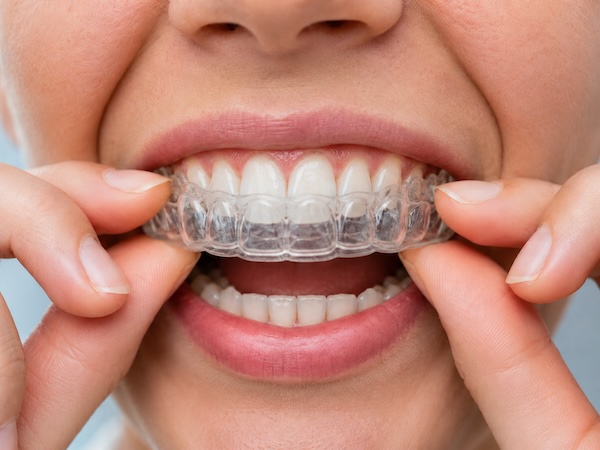
A night guard is a custom-made dental appliance that fits over your teeth while you sleep. Its job is simple but important: to shield your teeth from the strong forces of clenching and grinding.
It doesn’t necessarily stop the habit. Instead, it protects you from the damage—things like tooth wear, cracks, sensitivity, and pressure on the jaw. By keeping your upper and lower teeth apart, it gives your teeth and jaw muscles a break.
Signs you may need a night guard
You may benefit from a night guard if:
- You wake up with jaw ache or tightness
- You get morning headaches
- Your teeth feel more sensitive than usual
- Your teeth look flattened, chipped, or worn
- You’ve had fillings or crowns break
- You feel pain around your jaw joint, face, or ears
- Your partner hears you grinding at night
- Your dentist has spotted signs of tooth wear or muscle tension
If any of these sound familiar, it’s worth paying attention—your teeth may be under more pressure than you think.
Why teeth clenching shouldn’t be ignored
Clenching places surprisingly high forces on your teeth and jaw. Over time, untreated bruxism can lead to:
- Worn edges on teeth
- Cracks or fractures
- Broken fillings, crowns, or veneers
- Increased sensitivity
- Jaw muscle pain
- TMD (temporomandibular joint problems)
- Poor sleep quality
The tricky part? Damage often happens silently. By the time symptoms show up, the wear or cracks may already be significant.
Will a night guard stop me clenching?
Not always—and that’s an important point.
A night guard’s main purpose is to protect your teeth, not necessarily stop the clenching completely. Many people continue clenching even with a guard, but the guard prevents the harmful effects.
The most effective approach usually involves:
- Wearing a custom night guard
- Reducing stress and lifestyle triggers
- Improving sleep quality
- Checking for signs of sleep apnoea or snoring
- Managing jaw muscle tension
- Monitoring your teeth over time
Custom night guard vs shop-bought guard
Shop-bought guards can seem like an easy option, but they’re not always ideal for heavy clenchers. They can be bulky, uncomfortable, or loose—and sometimes do more harm than good if the bite isn’t balanced.
A custom-made night guard fits your teeth accurately, making it more comfortable, stable, and effective.
For lighter clenching, a simple appliance may be enough; for heavier clenching, we often recommend a stronger or more precisely adjusted splint.
What else can help with teeth clenching?
Because clenching is often tied to stress and sleep, it’s useful to look at the bigger picture. Helpful habits include:
- Cutting down on caffeine later in the day
- Reducing alcohol
- Improving your sleep routine
- Avoiding very hard foods or gum if your jaw is sore
- Using relaxation techniques before bed
- Noticing and correcting daytime clenching
- Keeping your lips together, teeth apart, and jaw relaxed
When should you see a dentist?
Book a dental assessment if you think you’re clenching—especially if you have:
- Tooth wear
- Sensitivity
- Headaches
- Cracks or broken fillings
- Jaw or facial pain
We can assess your teeth, jaw, bite, and muscles, then advise whether a night guard would help and which type is best for you.
So, do you need a night guard?
You may need one if clenching is causing damage, pain, sensitivity, or headaches. A night guard won’t always stop the habit, but it can be extremely effective at protecting your teeth from the consequences of clenching.
The best way to know for sure is a dental assessment. If there are early signs of wear, a custom night guard can help prevent more serious problems later on.
Opening Hours
Monday – 9.00am – 5.00pm
Tuesday – 9.00am – 8.00pm
Wednesday – 9.00am – 5.00pm
Thursday – 9.00am – 8.00pm
Friday – 9.00am – 5.00pm
Saturday – 9.00am – 1.00pm
Sunday – Closed
Use our menu and search function to find what you are looking for